Blog
New
Understanding Infectious Diseases
Understanding Infectious Diseases

Barkha Pradhan
5 Min Read
Share
Understanding Infectious Diseases: What They Are and How We Can Fight Them Together
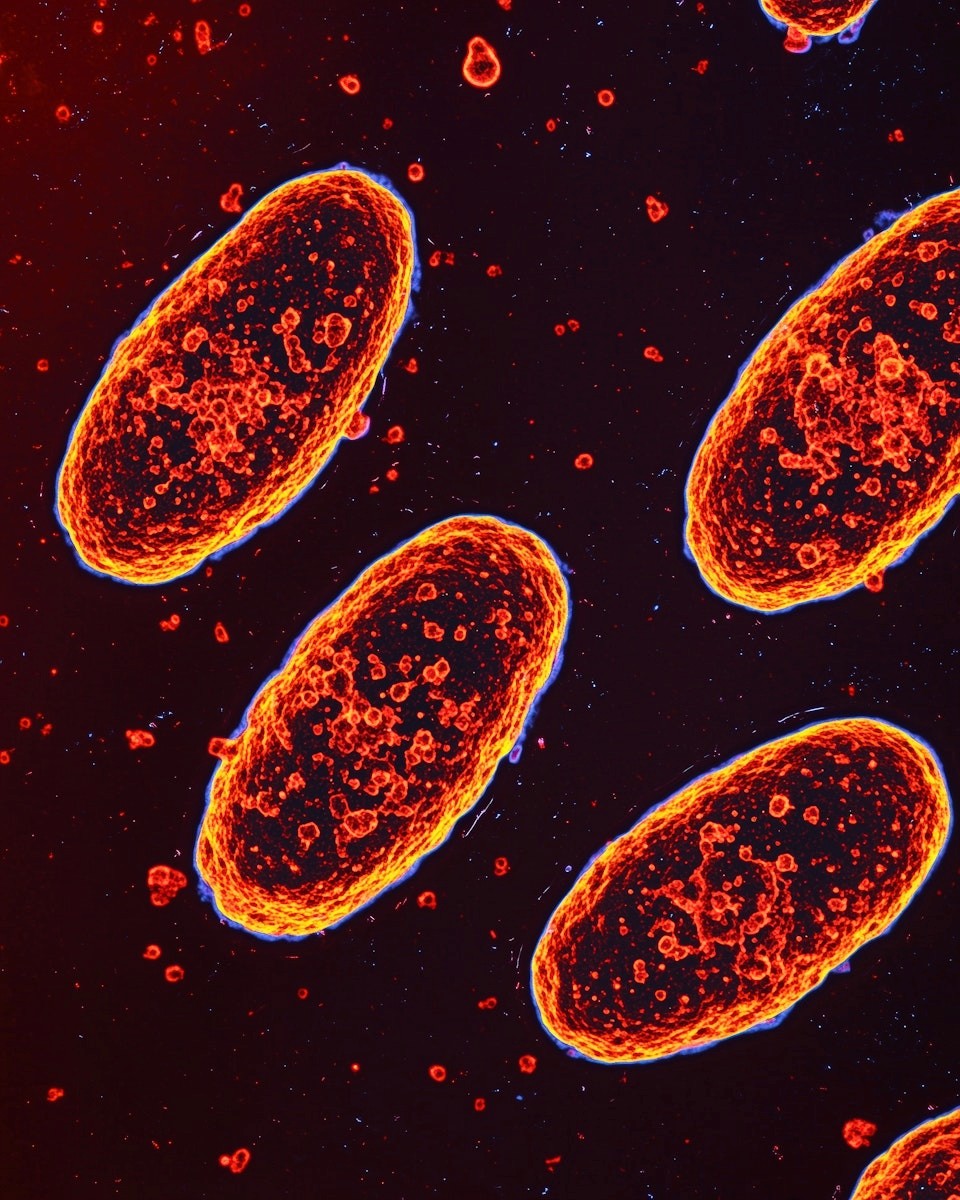
Imagine catching a cold from a handshake or food poisoning from a meal that seemed perfectly fine. These everyday situations are actually encounters with infectious diseases—illnesses caused by microscopic invaders known as pathogens. These pathogens like bacteria, viruses, fungi, or parasites, sneak into our bodies, multiply, and spread quickly from one person to another.
While the word infectious might sound scary, understanding these diseases, how they spread, and how we can detect and stop them is the first step toward keeping ourselves and our communities safe.
What are Infectious Diseases?
According to the Centers for Disease Control and Prevention (CDC), infectious diseases are illnesses caused by pathogens that enter the body and multiply. These diseases can spread in various ways, including:
Person-to-person contact (like sneezing, coughing or shaking hands)
Insect bites (such as mosquitoes spreading malaria or dengue)
Contaminated food or water
Touching infected surfaces
While not all microbes are harmful, the harmful ones can cause anything from mild symptoms to serious outbreaks.
Types of Infectious Diseases
There are several major types of infectious diseases, including:
Bacterial infections (such as tuberculosis or urinary tract infections)
Viral infections (such as COVID-19, flu, or HIV)
Fungal infections (like ringworm or candidiasis)
Parasitic infections (such as malaria or intestinal worms)
Each type of infection behaves differently and requires different strategies for diagnosis, prevention and treatment.
How do we Track Infectious Diseases?
Tracking infectious diseases is just as important as detecting them. Health systems around the world rely on real-time data to identify, respond to, and contain outbreaks. In the U.S., the CDC uses the National Notifiable Diseases Surveillance System (NNDSS) to monitor infectious disease trends.
Here's how it works:
Case Reporting: Healthcare providers and labs report confirmed cases of notifiable diseases to their local or state health departments.
Case Notification: These reports are anonymized and sent to the CDC for analysis.
Data Monitoring: The CDC tracks over 120 diseases, analyzing trends, identifying outbreaks, and guiding public health actions.
Why this Matters:
Enables early detection of outbreaks
Identifies high-risk populations
Informs funding and policy decisions
Drives research and public health strategies
Technology is a game changer in modern disease surveillance. Two key advancements include:
Electronic Case Reporting (eCR) – automatic sharing of data from hospitals and clinics to health authorities
Electronic Lab Reporting (ELR) – rapid digital transmission of lab test results to speed up outbreak response
And when an outbreak is suspected, contact tracing kicks in. Public health workers track down and notify people who may have been exposed—advising them on quarantine, testing, and symptom monitoring to stop the chain of transmission.
Detection Methods: How Do We Know What We're Dealing With?
Once an infection is suspected or an outbreak begins, accurate and timely diagnosis becomes crucial.
Some of the main detection methods include:
RT-qPCR (Reverse Transcription Quantitative PCR)
The gold standard for detecting viral infections like COVID-19. It looks for the genetic material of the virus in a sample and quantifies how much is present.Rapid Diagnostic Tests (RDTs)
Simple, often portable tests that give results in minutes—widely used for malaria, dengue, and now even COVID-19.Serological (Antibody) Tests
These detect antibodies in the blood, showing if someone had a past infection or has developed immunity.Culture and Microscopy
Traditional but still effective in identifying certain bacteria and fungi.Next-Generation Sequencing (NGS)
An advanced technique that maps out the entire genome of a pathogen—helpful in identifying new variants or unknown infections.
Where Algobio comes in
Detecting infectious diseases quickly, accurately, and at scale—especially when testing for many pathogens at once—is a major challenge in healthcare. Traditional methods often require separate tests for each target, making the process slow, costly, and hard to scale during outbreaks.
AlgoBio supports both traditional and advanced diagnostic approaches.
During COVID-19, we enabled large-scale screening across major institutes using our qPCR-based Tapestry platform for single-target detection.
With our Sequence Transduction platform, we can detect over 50 targets in a single PCR tube, without compromising on sensitivity or accuracy. By collapsing multiple genetic targets into one optimized oligo, we reduce the number of reactions needed—making diagnostics faster, more affordable, and easier to adapt as new diseases emerge.
Whether it's tracking outbreaks or screening for multiple infections at once, our tech:
Reduces cost and complexity
Speeds up development and testing
Keeps accuracy high, even at large scales
From COVID-19 to STIs and emerging diseases, we're building diagnostics that are smart, scalable, and ready for what's next.
More Article
Understanding Infectious Diseases: What They Are and How We Can Fight Them Together
Imagine catching a cold from a handshake or food poisoning from a meal that seemed perfectly fine. These everyday situations are actually encounters with infectious diseases—illnesses caused by microscopic invaders known as pathogens. These pathogens like bacteria, viruses, fungi, or parasites, sneak into our bodies, multiply, and spread quickly from one person to another.
While the word infectious might sound scary, understanding these diseases, how they spread, and how we can detect and stop them is the first step toward keeping ourselves and our communities safe.
What are Infectious Diseases?
According to the Centers for Disease Control and Prevention (CDC), infectious diseases are illnesses caused by pathogens that enter the body and multiply. These diseases can spread in various ways, including:
Person-to-person contact (like sneezing, coughing or shaking hands)
Insect bites (such as mosquitoes spreading malaria or dengue)
Contaminated food or water
Touching infected surfaces
While not all microbes are harmful, the harmful ones can cause anything from mild symptoms to serious outbreaks.
Types of Infectious Diseases
There are several major types of infectious diseases, including:
Bacterial infections (such as tuberculosis or urinary tract infections)
Viral infections (such as COVID-19, flu, or HIV)
Fungal infections (like ringworm or candidiasis)
Parasitic infections (such as malaria or intestinal worms)
Each type of infection behaves differently and requires different strategies for diagnosis, prevention and treatment.
How do we Track Infectious Diseases?
Tracking infectious diseases is just as important as detecting them. Health systems around the world rely on real-time data to identify, respond to, and contain outbreaks. In the U.S., the CDC uses the National Notifiable Diseases Surveillance System (NNDSS) to monitor infectious disease trends.
Here's how it works:
Case Reporting: Healthcare providers and labs report confirmed cases of notifiable diseases to their local or state health departments.
Case Notification: These reports are anonymized and sent to the CDC for analysis.
Data Monitoring: The CDC tracks over 120 diseases, analyzing trends, identifying outbreaks, and guiding public health actions.
Why this Matters:
Enables early detection of outbreaks
Identifies high-risk populations
Informs funding and policy decisions
Drives research and public health strategies
Technology is a game changer in modern disease surveillance. Two key advancements include:
Electronic Case Reporting (eCR) – automatic sharing of data from hospitals and clinics to health authorities
Electronic Lab Reporting (ELR) – rapid digital transmission of lab test results to speed up outbreak response
And when an outbreak is suspected, contact tracing kicks in. Public health workers track down and notify people who may have been exposed—advising them on quarantine, testing, and symptom monitoring to stop the chain of transmission.
Detection Methods: How Do We Know What We're Dealing With?
Once an infection is suspected or an outbreak begins, accurate and timely diagnosis becomes crucial.
Some of the main detection methods include:
RT-qPCR (Reverse Transcription Quantitative PCR)
The gold standard for detecting viral infections like COVID-19. It looks for the genetic material of the virus in a sample and quantifies how much is present.Rapid Diagnostic Tests (RDTs)
Simple, often portable tests that give results in minutes—widely used for malaria, dengue, and now even COVID-19.Serological (Antibody) Tests
These detect antibodies in the blood, showing if someone had a past infection or has developed immunity.Culture and Microscopy
Traditional but still effective in identifying certain bacteria and fungi.Next-Generation Sequencing (NGS)
An advanced technique that maps out the entire genome of a pathogen—helpful in identifying new variants or unknown infections.
Where Algobio comes in
Detecting infectious diseases quickly, accurately, and at scale—especially when testing for many pathogens at once—is a major challenge in healthcare. Traditional methods often require separate tests for each target, making the process slow, costly, and hard to scale during outbreaks.
AlgoBio supports both traditional and advanced diagnostic approaches.
During COVID-19, we enabled large-scale screening across major institutes using our qPCR-based Tapestry platform for single-target detection.
With our Sequence Transduction platform, we can detect over 50 targets in a single PCR tube, without compromising on sensitivity or accuracy. By collapsing multiple genetic targets into one optimized oligo, we reduce the number of reactions needed—making diagnostics faster, more affordable, and easier to adapt as new diseases emerge.
Whether it's tracking outbreaks or screening for multiple infections at once, our tech:
Reduces cost and complexity
Speeds up development and testing
Keeps accuracy high, even at large scales
From COVID-19 to STIs and emerging diseases, we're building diagnostics that are smart, scalable, and ready for what's next.
More Article
Understanding Infectious Diseases: What They Are and How We Can Fight Them Together
Imagine catching a cold from a handshake or food poisoning from a meal that seemed perfectly fine. These everyday situations are actually encounters with infectious diseases—illnesses caused by microscopic invaders known as pathogens. These pathogens like bacteria, viruses, fungi, or parasites, sneak into our bodies, multiply, and spread quickly from one person to another.
While the word infectious might sound scary, understanding these diseases, how they spread, and how we can detect and stop them is the first step toward keeping ourselves and our communities safe.
What are Infectious Diseases?
According to the Centers for Disease Control and Prevention (CDC), infectious diseases are illnesses caused by pathogens that enter the body and multiply. These diseases can spread in various ways, including:
Person-to-person contact (like sneezing, coughing or shaking hands)
Insect bites (such as mosquitoes spreading malaria or dengue)
Contaminated food or water
Touching infected surfaces
While not all microbes are harmful, the harmful ones can cause anything from mild symptoms to serious outbreaks.
Types of Infectious Diseases
There are several major types of infectious diseases, including:
Bacterial infections (such as tuberculosis or urinary tract infections)
Viral infections (such as COVID-19, flu, or HIV)
Fungal infections (like ringworm or candidiasis)
Parasitic infections (such as malaria or intestinal worms)
Each type of infection behaves differently and requires different strategies for diagnosis, prevention and treatment.
How do we Track Infectious Diseases?
Tracking infectious diseases is just as important as detecting them. Health systems around the world rely on real-time data to identify, respond to, and contain outbreaks. In the U.S., the CDC uses the National Notifiable Diseases Surveillance System (NNDSS) to monitor infectious disease trends.
Here's how it works:
Case Reporting: Healthcare providers and labs report confirmed cases of notifiable diseases to their local or state health departments.
Case Notification: These reports are anonymized and sent to the CDC for analysis.
Data Monitoring: The CDC tracks over 120 diseases, analyzing trends, identifying outbreaks, and guiding public health actions.
Why this Matters:
Enables early detection of outbreaks
Identifies high-risk populations
Informs funding and policy decisions
Drives research and public health strategies
Technology is a game changer in modern disease surveillance. Two key advancements include:
Electronic Case Reporting (eCR) – automatic sharing of data from hospitals and clinics to health authorities
Electronic Lab Reporting (ELR) – rapid digital transmission of lab test results to speed up outbreak response
And when an outbreak is suspected, contact tracing kicks in. Public health workers track down and notify people who may have been exposed—advising them on quarantine, testing, and symptom monitoring to stop the chain of transmission.
Detection Methods: How Do We Know What We're Dealing With?
Once an infection is suspected or an outbreak begins, accurate and timely diagnosis becomes crucial.
Some of the main detection methods include:
RT-qPCR (Reverse Transcription Quantitative PCR)
The gold standard for detecting viral infections like COVID-19. It looks for the genetic material of the virus in a sample and quantifies how much is present.Rapid Diagnostic Tests (RDTs)
Simple, often portable tests that give results in minutes—widely used for malaria, dengue, and now even COVID-19.Serological (Antibody) Tests
These detect antibodies in the blood, showing if someone had a past infection or has developed immunity.Culture and Microscopy
Traditional but still effective in identifying certain bacteria and fungi.Next-Generation Sequencing (NGS)
An advanced technique that maps out the entire genome of a pathogen—helpful in identifying new variants or unknown infections.
Where Algobio comes in
Detecting infectious diseases quickly, accurately, and at scale—especially when testing for many pathogens at once—is a major challenge in healthcare. Traditional methods often require separate tests for each target, making the process slow, costly, and hard to scale during outbreaks.
AlgoBio supports both traditional and advanced diagnostic approaches.
During COVID-19, we enabled large-scale screening across major institutes using our qPCR-based Tapestry platform for single-target detection.
With our Sequence Transduction platform, we can detect over 50 targets in a single PCR tube, without compromising on sensitivity or accuracy. By collapsing multiple genetic targets into one optimized oligo, we reduce the number of reactions needed—making diagnostics faster, more affordable, and easier to adapt as new diseases emerge.
Whether it's tracking outbreaks or screening for multiple infections at once, our tech:
Reduces cost and complexity
Speeds up development and testing
Keeps accuracy high, even at large scales
From COVID-19 to STIs and emerging diseases, we're building diagnostics that are smart, scalable, and ready for what's next.