Blog
New
Designing Rapid Sepsis Diagnostics: Where Current Workflows Lose Time
Designing Rapid Sepsis Diagnostics: Where Current Workflows Lose Time

Barkha Pradhan
5 Min Read
Share
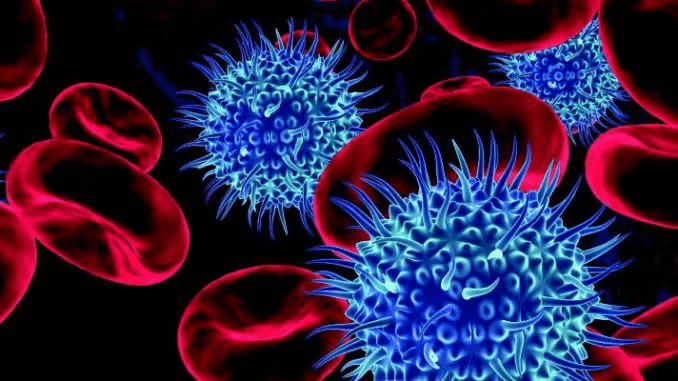
When Infection Turns Dangerous
Imagine getting a fever in the morning and being told by evening that every hour without the right treatment increases your risk of dying.
That is the reality of sepsis.
Sepsis happens when the body's response to an infection goes out of control, damaging its own organs. It can begin with something as common as a urinary tract infection, pneumonia, or a wound. What makes it dangerous isn't just the infection, it's the race against time.
Doctors know this. Yet identifying the exact organism causing sepsis often takes longer than anyone would like.
So where does that time go?
The race starts before the test begins
When someone arrives at a hospital with suspected sepsis, doctors cannot afford to wait.
They immediately collect a blood sample and usually start broad-spectrum antibiotics, targeting many different bacteria at once. This is often lifesaving.
But broad-spectrum antibiotics are a temporary solution. The real goal is to identify the exact bacteria or fungus responsible so treatment can be narrowed to the most effective medicine.
That is where today's diagnostic workflow slows down.
Why does identifying the pathogen take so long?
The biggest bottleneck is still the blood culture.
A patient's blood is placed into bottles and monitored to see whether microorganisms grow. Only after they grow, laboratories can identify the pathogen and determine which antibiotics will work.
This process can take 24 to 72 hours, sometimes even longer.
In sepsis, those hours matter.
That is why molecular diagnostics tests that detect a pathogen's genetic material instead of waiting for it to grow have become increasingly important.
Faster tests exist. So what's the challenge?
Modern technologies like PCR (Polymerase Chain Reaction) can detect microbial DNA within hours instead of days.
But building these tests is far more complicated than it sounds.
Think of PCR as searching for a specific sentence inside millions of books. The search tool has to find exactly the right sentence without getting fooled by similar ones.
That search depends on tiny pieces of DNA called primers and probes.
If they are not designed carefully, several problems can happen:
They may miss certain strains of a pathogen.
They may accidentally detect harmless organisms.
Multiple targets tested together can interfere with one another.
Small genetic changes in microbes can reduce accuracy over time.
Designing around these challenges is one of the biggest hidden tasks in developing rapid diagnostics.
The invisible work behind a rapid test
When people think of a diagnostic test, they picture a machine giving a result.
But much of the hardest work happens months earlier.
Researchers have to ask questions like:
Which pathogen should we target?
Which DNA region is unique enough?
Will this work across hundreds of known strains?
Can several pathogens be tested together without interference?
What happens if new variants appear?
Traditionally, answering these questions involves repeated rounds of laboratory testing.
Design, test, fail, redesign, and repeat.
Each cycle costs both time and resources.
AlgoBio’s Solution: Smarter Assay Design
This is where computational tools are becoming increasingly valuable.
Instead of relying entirely on laboratory trial-and-error, researchers can evaluate thousands or even millions of possible primer and probe combinations using genomic data before moving into the lab.
These approaches help teams:
screen large numbers of pathogen genomes,
predict cross-reactivity,
improve coverage across diverse strains,
identify potential design conflicts early,
and optimize multiplex assays that detect several targets in a single reaction.
Rather than replacing laboratory validation, computational design helps laboratories begin with stronger candidates, reducing unnecessary iterations.
At Algorithmic Biologics, this philosophy sits at the core of assay design. By using computational methods to optimize primer and probe selection before extensive wet-lab testing, the aim is to make diagnostic development more efficient and scalable.
The Impact: Bringing Faster Diagnostics Closer to Patients
Sepsis is not caused by one single organism. It can result from many different bacteria and fungi. That means rapid diagnostics need to detect multiple pathogens simultaneously while maintaining high accuracy.
A robust multiplex assay depends not only on sensitive laboratory chemistry but also on careful computational design that ensures each target can be detected reliably without interfering with the others.
By making assay design more efficient, AlgoBio can help shorten the path from design to validation, bringing faster diagnostic development closer to clinical use.
Why Every Hour Counts
The future of sepsis diagnostics is not just about building faster machines. It is about designing smarter tests.
Reducing the time between a patient's blood sample and an actionable answer requires improvements across the entire workflow, from sample processing to molecular detection to the computational work that happens before a test reaches the hospital.
For patients, these improvements could mean receiving the right treatment sooner. For clinicians, they could mean greater confidence in treatment decisions.
The impact of better assay design is therefore not just a faster development process, it is the potential to bring better diagnostic tools to patients sooner.

When Infection Turns Dangerous
Imagine getting a fever in the morning and being told by evening that every hour without the right treatment increases your risk of dying.
That is the reality of sepsis.
Sepsis happens when the body's response to an infection goes out of control, damaging its own organs. It can begin with something as common as a urinary tract infection, pneumonia, or a wound. What makes it dangerous isn't just the infection, it's the race against time.
Doctors know this. Yet identifying the exact organism causing sepsis often takes longer than anyone would like.
So where does that time go?
The race starts before the test begins
When someone arrives at a hospital with suspected sepsis, doctors cannot afford to wait.
They immediately collect a blood sample and usually start broad-spectrum antibiotics, targeting many different bacteria at once. This is often lifesaving.
But broad-spectrum antibiotics are a temporary solution. The real goal is to identify the exact bacteria or fungus responsible so treatment can be narrowed to the most effective medicine.
That is where today's diagnostic workflow slows down.
Why does identifying the pathogen take so long?
The biggest bottleneck is still the blood culture.
A patient's blood is placed into bottles and monitored to see whether microorganisms grow. Only after they grow, laboratories can identify the pathogen and determine which antibiotics will work.
This process can take 24 to 72 hours, sometimes even longer.
In sepsis, those hours matter.
That is why molecular diagnostics tests that detect a pathogen's genetic material instead of waiting for it to grow have become increasingly important.
Faster tests exist. So what's the challenge?
Modern technologies like PCR (Polymerase Chain Reaction) can detect microbial DNA within hours instead of days.
But building these tests is far more complicated than it sounds.
Think of PCR as searching for a specific sentence inside millions of books. The search tool has to find exactly the right sentence without getting fooled by similar ones.
That search depends on tiny pieces of DNA called primers and probes.
If they are not designed carefully, several problems can happen:
They may miss certain strains of a pathogen.
They may accidentally detect harmless organisms.
Multiple targets tested together can interfere with one another.
Small genetic changes in microbes can reduce accuracy over time.
Designing around these challenges is one of the biggest hidden tasks in developing rapid diagnostics.
The invisible work behind a rapid test
When people think of a diagnostic test, they picture a machine giving a result.
But much of the hardest work happens months earlier.
Researchers have to ask questions like:
Which pathogen should we target?
Which DNA region is unique enough?
Will this work across hundreds of known strains?
Can several pathogens be tested together without interference?
What happens if new variants appear?
Traditionally, answering these questions involves repeated rounds of laboratory testing.
Design, test, fail, redesign, and repeat.
Each cycle costs both time and resources.
AlgoBio’s Solution: Smarter Assay Design
This is where computational tools are becoming increasingly valuable.
Instead of relying entirely on laboratory trial-and-error, researchers can evaluate thousands or even millions of possible primer and probe combinations using genomic data before moving into the lab.
These approaches help teams:
screen large numbers of pathogen genomes,
predict cross-reactivity,
improve coverage across diverse strains,
identify potential design conflicts early,
and optimize multiplex assays that detect several targets in a single reaction.
Rather than replacing laboratory validation, computational design helps laboratories begin with stronger candidates, reducing unnecessary iterations.
At Algorithmic Biologics, this philosophy sits at the core of assay design. By using computational methods to optimize primer and probe selection before extensive wet-lab testing, the aim is to make diagnostic development more efficient and scalable.
The Impact: Bringing Faster Diagnostics Closer to Patients
Sepsis is not caused by one single organism. It can result from many different bacteria and fungi. That means rapid diagnostics need to detect multiple pathogens simultaneously while maintaining high accuracy.
A robust multiplex assay depends not only on sensitive laboratory chemistry but also on careful computational design that ensures each target can be detected reliably without interfering with the others.
By making assay design more efficient, AlgoBio can help shorten the path from design to validation, bringing faster diagnostic development closer to clinical use.
Why Every Hour Counts
The future of sepsis diagnostics is not just about building faster machines. It is about designing smarter tests.
Reducing the time between a patient's blood sample and an actionable answer requires improvements across the entire workflow, from sample processing to molecular detection to the computational work that happens before a test reaches the hospital.
For patients, these improvements could mean receiving the right treatment sooner. For clinicians, they could mean greater confidence in treatment decisions.
The impact of better assay design is therefore not just a faster development process, it is the potential to bring better diagnostic tools to patients sooner.
When Infection Turns Dangerous
Imagine getting a fever in the morning and being told by evening that every hour without the right treatment increases your risk of dying.
That is the reality of sepsis.
Sepsis happens when the body's response to an infection goes out of control, damaging its own organs. It can begin with something as common as a urinary tract infection, pneumonia, or a wound. What makes it dangerous isn't just the infection, it's the race against time.
Doctors know this. Yet identifying the exact organism causing sepsis often takes longer than anyone would like.
So where does that time go?
The race starts before the test begins
When someone arrives at a hospital with suspected sepsis, doctors cannot afford to wait.
They immediately collect a blood sample and usually start broad-spectrum antibiotics, targeting many different bacteria at once. This is often lifesaving.
But broad-spectrum antibiotics are a temporary solution. The real goal is to identify the exact bacteria or fungus responsible so treatment can be narrowed to the most effective medicine.
That is where today's diagnostic workflow slows down.
Why does identifying the pathogen take so long?
The biggest bottleneck is still the blood culture.
A patient's blood is placed into bottles and monitored to see whether microorganisms grow. Only after they grow, laboratories can identify the pathogen and determine which antibiotics will work.
This process can take 24 to 72 hours, sometimes even longer.
In sepsis, those hours matter.
That is why molecular diagnostics tests that detect a pathogen's genetic material instead of waiting for it to grow have become increasingly important.
Faster tests exist. So what's the challenge?
Modern technologies like PCR (Polymerase Chain Reaction) can detect microbial DNA within hours instead of days.
But building these tests is far more complicated than it sounds.
Think of PCR as searching for a specific sentence inside millions of books. The search tool has to find exactly the right sentence without getting fooled by similar ones.
That search depends on tiny pieces of DNA called primers and probes.
If they are not designed carefully, several problems can happen:
They may miss certain strains of a pathogen.
They may accidentally detect harmless organisms.
Multiple targets tested together can interfere with one another.
Small genetic changes in microbes can reduce accuracy over time.
Designing around these challenges is one of the biggest hidden tasks in developing rapid diagnostics.
The invisible work behind a rapid test
When people think of a diagnostic test, they picture a machine giving a result.
But much of the hardest work happens months earlier.
Researchers have to ask questions like:
Which pathogen should we target?
Which DNA region is unique enough?
Will this work across hundreds of known strains?
Can several pathogens be tested together without interference?
What happens if new variants appear?
Traditionally, answering these questions involves repeated rounds of laboratory testing.
Design, test, fail, redesign, and repeat.
Each cycle costs both time and resources.
AlgoBio’s Solution: Smarter Assay Design
This is where computational tools are becoming increasingly valuable.
Instead of relying entirely on laboratory trial-and-error, researchers can evaluate thousands or even millions of possible primer and probe combinations using genomic data before moving into the lab.
These approaches help teams:
screen large numbers of pathogen genomes,
predict cross-reactivity,
improve coverage across diverse strains,
identify potential design conflicts early,
and optimize multiplex assays that detect several targets in a single reaction.
Rather than replacing laboratory validation, computational design helps laboratories begin with stronger candidates, reducing unnecessary iterations.
At Algorithmic Biologics, this philosophy sits at the core of assay design. By using computational methods to optimize primer and probe selection before extensive wet-lab testing, the aim is to make diagnostic development more efficient and scalable.
The Impact: Bringing Faster Diagnostics Closer to Patients
Sepsis is not caused by one single organism. It can result from many different bacteria and fungi. That means rapid diagnostics need to detect multiple pathogens simultaneously while maintaining high accuracy.
A robust multiplex assay depends not only on sensitive laboratory chemistry but also on careful computational design that ensures each target can be detected reliably without interfering with the others.
By making assay design more efficient, AlgoBio can help shorten the path from design to validation, bringing faster diagnostic development closer to clinical use.
Why Every Hour Counts
The future of sepsis diagnostics is not just about building faster machines. It is about designing smarter tests.
Reducing the time between a patient's blood sample and an actionable answer requires improvements across the entire workflow, from sample processing to molecular detection to the computational work that happens before a test reaches the hospital.
For patients, these improvements could mean receiving the right treatment sooner. For clinicians, they could mean greater confidence in treatment decisions.
The impact of better assay design is therefore not just a faster development process, it is the potential to bring better diagnostic tools to patients sooner.